
The Complete Guide to Data Center Colocation and Uptime Engineering
When a business outgrows its on-premise server closet, the next logical step is securing enterprise-grade infrastructure. Making the leap into professional hosting requires understanding exactly how modern facilities operate.
What is data center colocation?
Data center colocation is a service where businesses rent physical space, power, cooling, and security for their own servers within a third-party facility. Instead of building and maintaining an expensive private facility, organizations shift to an operating expense model. They leverage a multitenant data center (MTDC) to house their critical IT assets alongside other businesses.
How does data center colocation work?
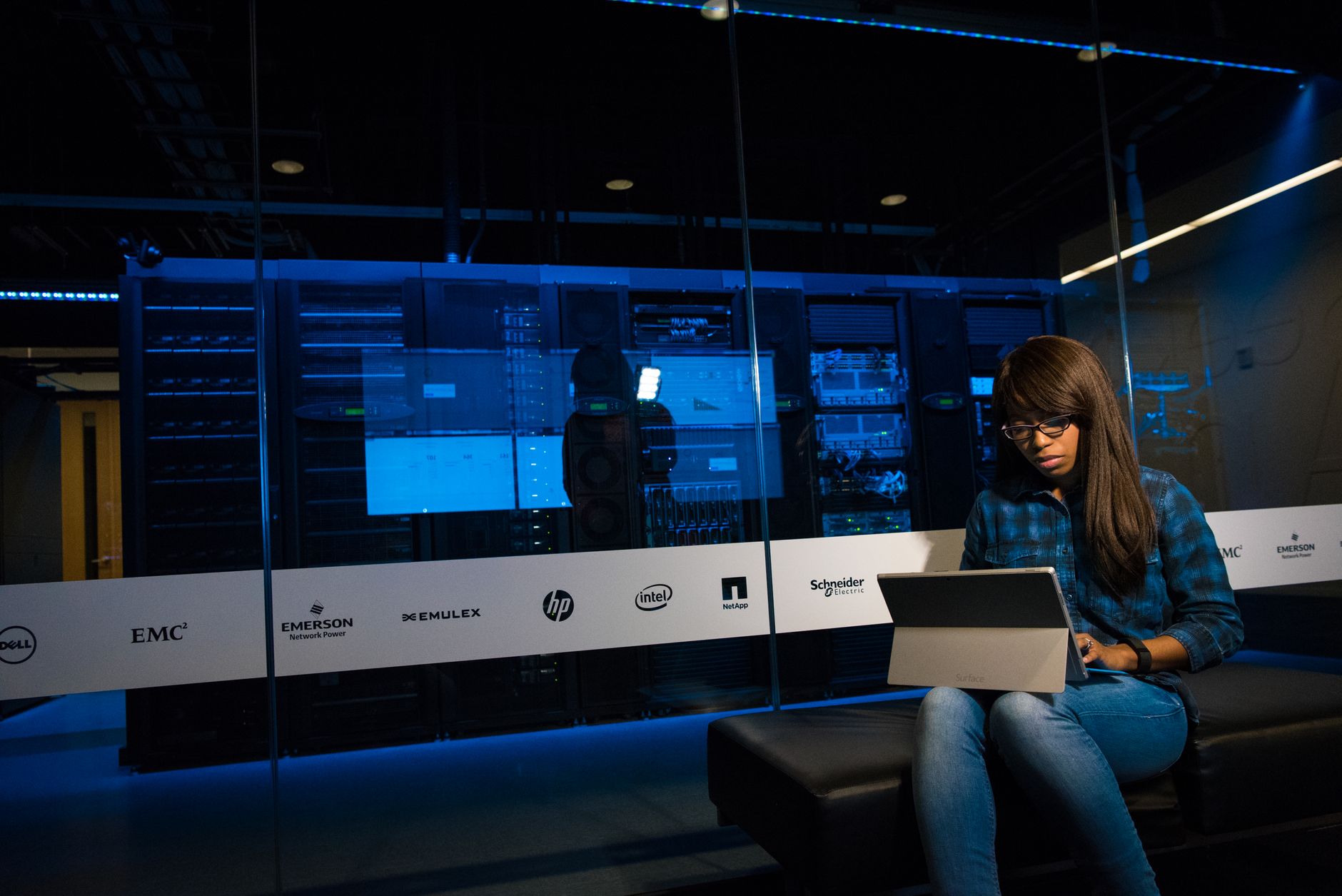
You retain full ownership of your hardware, including servers, storage, and firewalls, but you install it within our secure racks. The colocation provider supplies the optimal physical environment. You simply plug your equipment into a highly engineered, carrier-neutral data center, which means you have the freedom to choose your preferred internet service providers. This setup allows your IT team to manage your data remotely while the facility handles the physical maintenance.
What is the difference between a data center and colocation?
While the terms are often used interchangeably, the difference comes down to ownership and scale. A data center simply refers to the physical building housing the servers. A single business can own and operate a private data center for its exclusive use. Colocation is the specific business model of renting space within a shared data center.
What are the benefits of colocation services?
For most growing organizations, colocation offers distinct advantages over keeping hardware on-site:
Cost Efficiency: It eliminates the massive capital expense of building dedicated server rooms with specialized HVAC and fire suppression systems.
Scalability: You rent exactly the rack space you need today, retaining the ability to instantly expand as your computing needs grow.
Thermal Stability: Access to precision high-density computing and cooling protects your hardware from overheating and degradation.
Strategic Integration: A colocation footprint serves as the perfect physical anchor for hybrid cloud-based colocation architectures.
How do data center companies ensure uptime?
Continuous uptime is achieved through rigorous engineering and overlapping failsafes. Professional colocation facilities utilize redundant power grids. If a primary utility feed fails, uninterruptible power supplies and industrial diesel generators instantly take over to keep servers running. Coupled with strict network redundancy and disaster recovery protocols, this defense-in-depth approach ensures your hardware remains online during localized outages or severe weather events.